
Notes on German Culture

Precious family photos that survived WWII

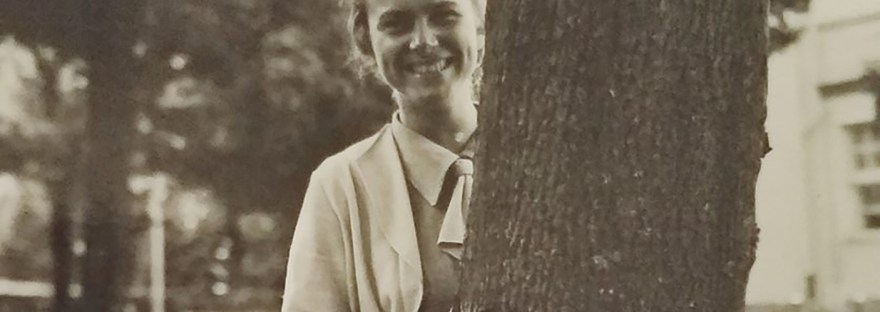
Königsberg, 1937 The photo above was taken in 1937 in Königsberg, the beautiful 700 year old medieval city that was once the capital of East Prussia. In that peaceful and optimistic year, none of the residents could foresee the terror that would befall them only seven years later. Summer 1940. My parents lived in Königsberg… Continue reading Precious family photos that survived WWII
Notes on German Culture, Second Reich...1871 to 1918, WWI...First World War

When circumstances were difficult, as in 1917, then even a tiny tree would make Christmas special

Herzlichen Weihnachstgruss (heartfelt Christmas greeting) ...an older German style wording for Frohe Weihnachten (Merry Christmas). This image is from a vintage 1917 WWI German Christmas card, depicting a lady joyfully reading a Weihnachstgruss from her soldier away at war. It also reflects the tradition that a Christmas tree always had to be there and when… Continue reading When circumstances were difficult, as in 1917, then even a tiny tree would make Christmas special

History Highlights, Second Reich...1871 to 1918, WWI...First World War

On Christmas Eve in 1914, something unusual happened

On Christmas Eve one hundred four years ago, in 1914, the first Christmas during WWI, something unusual happened…and it happened spontaneously... triggered by the men themselves who were in the front line trenches. The Illustrated London News described the event in its headline: "British and German Soldiers Arm-in-Arm Exchanging Headgear: A Christmas Truce between Opposing… Continue reading On Christmas Eve in 1914, something unusual happened

History Highlights, Prussia...Northern Germany

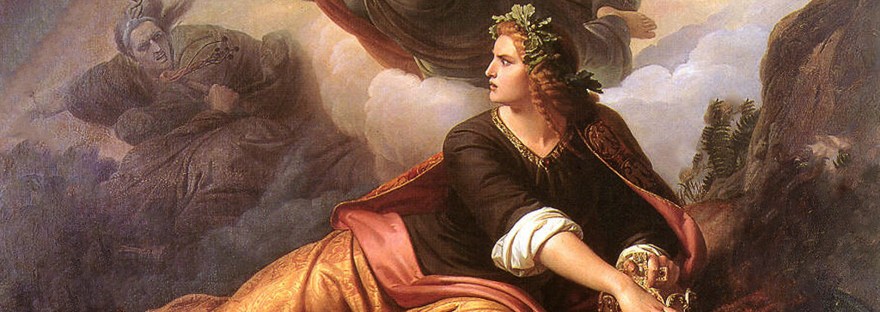
This 1849 painting of an allegorical “Germania” symbolized a general yearning for a new German Empire

This painting of "Erwachende Germania" (Awakening of Germania) symbolized efforts of the mid-19th century to unite German states into a second empire. In this 1849 painting by Christian Köhler, he depicts an allegorical "Germania" as a female warrior, awakened from her slumber by the approach of an evil power. She protects the old German Imperial… Continue reading This 1849 painting of an allegorical “Germania” symbolized a general yearning for a new German Empire

History Highlights, Notes on German Culture, Old Germany...lost territory, Prussia...Northern Germany

Why so many people consider themselves German, even though their ancestors lived in other countries, sometimes for hundreds of years.

This Map of German Language Areas was produced after a 1910 census. It shows German-speaking areas outside of the Reich borders, giving a good picture of where Germans in previous centuries created settlements, either by self-motivation or in many cases by invitation of foreign rulers who valued their skills and industriousness.   This is an… Continue reading Why so many people consider themselves German, even though their ancestors lived in other countries, sometimes for hundreds of years.

Notes on German Culture, Prussia...Northern Germany

Johann Sebastian Bach took the liberty of adding a crown to his Monogram

Bach at age 61, by Elias Hausmann Johann Sebastian Bach personally designed this Monogram, which cleverly consists of his initials JSB, superimposed over their mirror image. He then topped the design with a crown. Bach took the liberty of adding a crown due to his assignments as royal court musician in Leipzig to the Elector… Continue reading Johann Sebastian Bach took the liberty of adding a crown to his Monogram

First Reich...800 to 1806, History Highlights

The First Reich, or first German Empire, lasted 1000 years, succeeded by the Second Reich in 1871

The First German Empire lasted 1000 years. It was established in 800 AD, was reconfirmed in 962 AD and dissolved in 1806. Officially it was known as the Holy Roman Empire. Karl der Grosse Charlemagne, King of the Germanic Franks and first Holy Roman Emperor, crowned in 800AD...as painted by Albrecht Dürer . After the death… Continue reading The First Reich, or first German Empire, lasted 1000 years, succeeded by the Second Reich in 1871

Famous Artists, History Highlights, Old Germany...lost territory, Prussia...Northern Germany, Teutonic Knights..Deutscher Orden

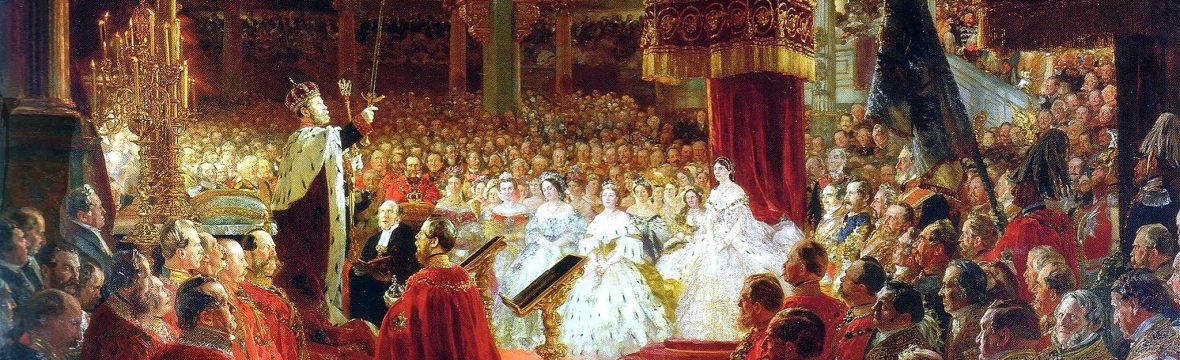
Pomp and ceremony in the 600 year old Königsberg Castle

This finely detailed painting depicts the 1861 Coronation of King Wilhelm I of Prussia in the medieval Königsberg Castle. This painting by Adolph Menzel is a beautiful image of pomp and ceremony in the Kingdom of Prussia and a rare look inside the medieval castle that was once headquarters of the Teutonic Knights. Only a… Continue reading Pomp and ceremony in the 600 year old Königsberg Castle

Notes on German Culture, Prussia...Northern Germany, Second Reich...1871 to 1918

A cavalry of trumpeters led the royal carriage thru Berlin where a 72 gun salute started the dual wedding ceremony

In February 1906, the Silver Wedding Anniversary of the German Emperor and Empress was turned into a double wedding celebration when they gave their second son, Prince Eitel, permission to be married on the same day. Kaiser Wilhelm and family in 1906, by Ferdinand Keller Their son’s bride, the Duchess Sophie-Charlotte, was the daughter of… Continue reading A cavalry of trumpeters led the royal carriage thru Berlin where a 72 gun salute started the dual wedding ceremony