History Highlights, Prussia...Northern Germany

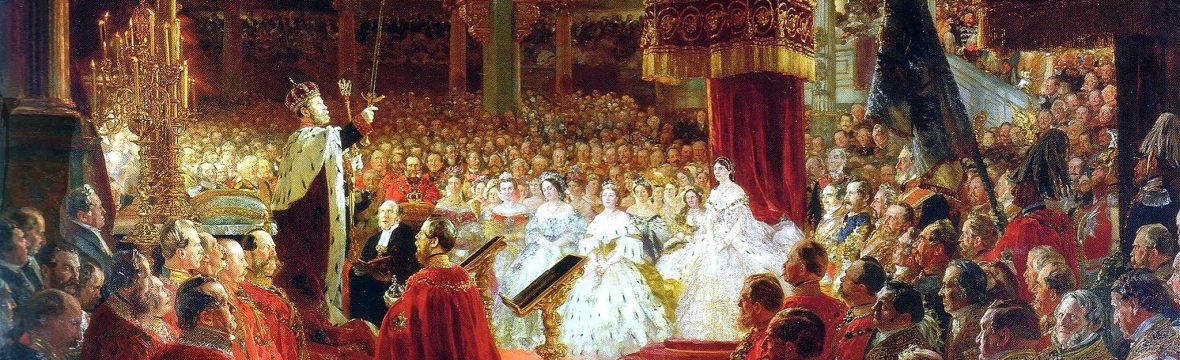
This excerpt exemplifies the detailed portraits depicted in the painting, Proclamation of the German Empire 1871

The Proclamation of the German Empire in 1871 was depicted by Anton von Werner. This excerpt from his famous painting exemplifies the detailed portraits of the celebrating soldiers and officials that were present to cheer the new Kaiser. Here the artist portrays General von Blumenthal wearing a red sash, next to Bismarck, shaking hands with… Continue reading This excerpt exemplifies the detailed portraits depicted in the painting, Proclamation of the German Empire 1871
Notes on German Culture, WWI...First World War

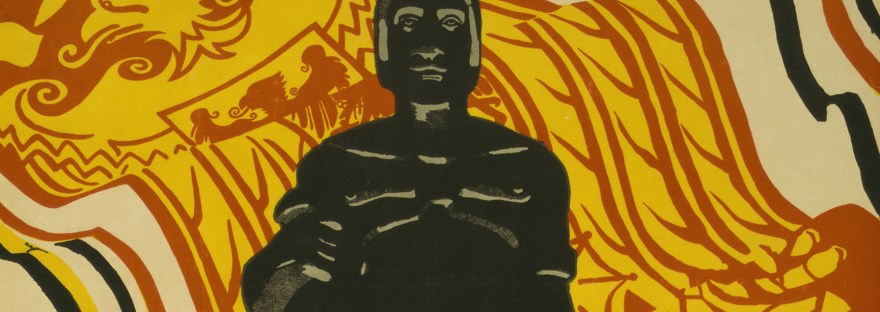
Large wooden Nail Man statues were set up in cities all over Germany and Austria in WWI.

The image here is of a 1915 poster from Königsberg, the capital city of East Prussia. The poster shows a large dark knight against a colorful German Imperial Eagle banner with text announcing the dedication of an Iron Warrior, known as Der Eiserne Wehrmann. The text explains that the event will be held to collect… Continue reading Large wooden Nail Man statues were set up in cities all over Germany and Austria in WWI.

History Highlights, Notes on German Culture

Olympic Games 1936…a lot of things are discussed but the fact that Germany won the most medals of every color is never mentioned

The summer Olympics of 1936 were held in Berlin, Germany. Berlin had previously been chosen to host the 1916 Summer Olympics, but they were cancelled due to the First World War. I have seen documentaries over the years, but I always was left with the impression that the United States was the winner over an… Continue reading Olympic Games 1936…a lot of things are discussed but the fact that Germany won the most medals of every color is never mentioned

First Reich...800 to 1806, Notes on German Culture, Teutonic Knights..Deutscher Orden

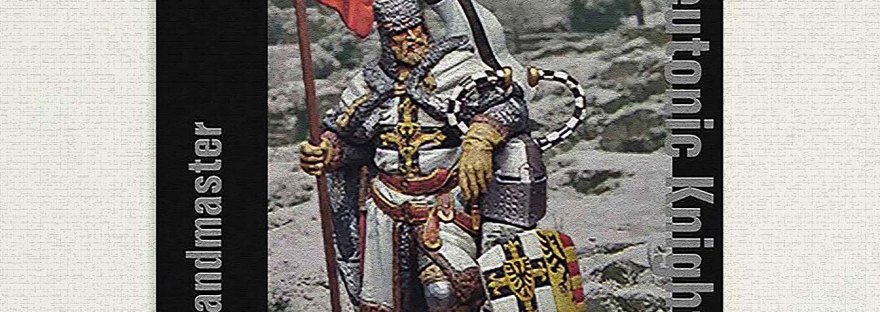
For 300 years two men were included in the daily prayers of the Teutonic Knights

The Teutonic Knights were warrior monks who fought to convert pagans to Christianity and also built and governed their Monastic State of the Teutonic Order all along the Baltic coast in northern Europe. At the core of their organization was a group of 3000 highly trained and well equipped warrior monks...men who also gave up… Continue reading For 300 years two men were included in the daily prayers of the Teutonic Knights

Bavaria, Notes on German Culture

Eppelein von Gailingen was a robber baron in the Middle Ages, immortalized by folk song

This image features Eppelein von Gailingen (1310 to 1381), a famous German robber baron in the Middle Ages. Gailingen belonged to the class of original robber barons, who supplemented their income with unauthorized tolls and, sometimes, flat-out theft.  The term "robber barons" is derived from a medieval term, in German “Raubritter”, describing men of noble… Continue reading Eppelein von Gailingen was a robber baron in the Middle Ages, immortalized by folk song

Notes on German Culture

An 1844 German postal coach encounters its evolution just 100 years later

A time warp image exemplifying how time flies faster than we can comprehend....From a Lufthansa poster celebrating 25 years of airmail service in 1944. "Tempus Fugit"... already in ancient times the Romans felt that time flies. Today it seems that time flies even faster. Think about our own lives flitting along with incredible changes in… Continue reading An 1844 German postal coach encounters its evolution just 100 years later

Notes on German Culture, Prussia...Northern Germany, Second Reich...1871 to 1918

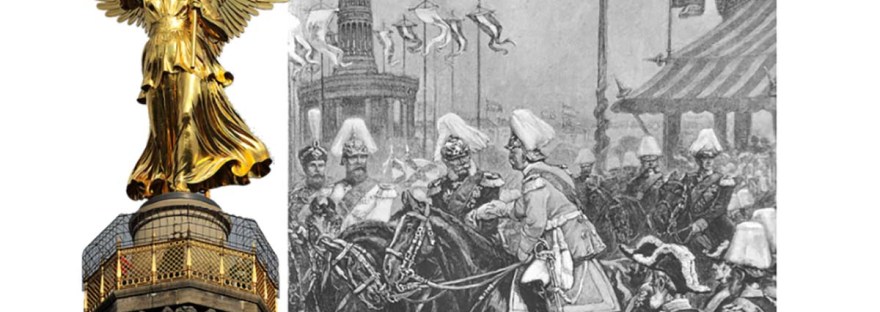
Inauguration of the 1873 Berlin Siegessäule (Victory Column)

The inauguration of the Berlin Siegessäule (Victory Column) is depicted here in an 1873 artist's rendering of the ceremony conducted by Kaiser Wilhelm I...the image in gold is a close up of the Victoria statue atop the column, as it appears today.  1873 Originally, the Victory Column was designed by Heinrich Strack in 1864 to… Continue reading Inauguration of the 1873 Berlin Siegessäule (Victory Column)

Bavaria, First Reich...800 to 1806, History Highlights, Southern Germany

The German land of Swabia was the birthplace of five royal dynasties

Swabia, or Schwaben, was a region in SW Germany, now part of the states of Baden-Württemberg and Bavaria. Starting in the 9th century, Swabia was the birthplace of Charlemagne's family... Charlemagne, or Karl der Grosse, was the first Kaiser of the Holy Roman Empire in 800. Swabia was also home of the Hohenstaufen dynasty, which included Germany's… Continue reading The German land of Swabia was the birthplace of five royal dynasties

Famous Artists, Notes on German Culture

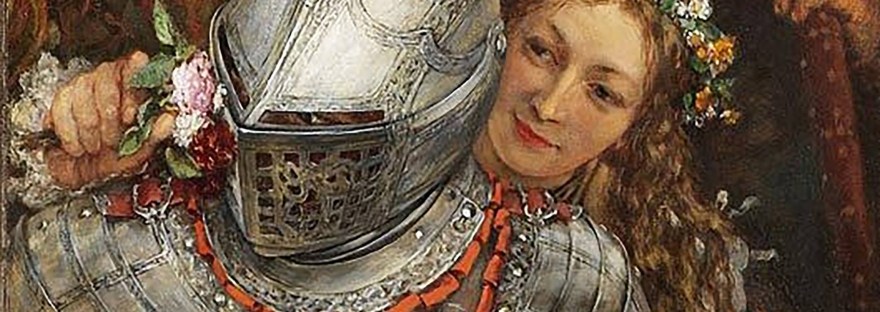
Beautiful girl purposely bumping into a knight in full armor…Blinde Kuh?

This is an interesting and charming little painting by Adolph von Menzel and a somewhat unusual subject matter for Menzel. It caught my attention for those reasons but even more so when I saw its title, Blinde Kuh (Blind Cow). Blinde Kuh is a game, like Blind Man's Bluff, but it’s also a common German… Continue reading Beautiful girl purposely bumping into a knight in full armor…Blinde Kuh?

History Highlights, Prussia...Northern Germany

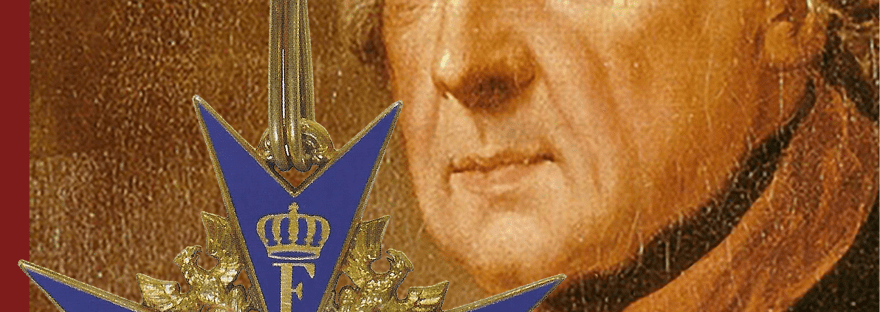
This German medal, nicknamed the “Blue Max”, has an interesting story to tell, including why it has a French name.

Prussian King Friedrich II (Frederick the Great) instituted the blue enameled cross “Pour le Merite” in June 1740 as a token of appreciation for those leaders in his army who distinguished themselves in the first Silesian War. The medal continued to be awarded for the next 180 years, gaining its greatest renown with Germany’s air aces… Continue reading This German medal, nicknamed the “Blue Max”, has an interesting story to tell, including why it has a French name.