
History Highlights, Prussia...Northern Germany

This 1849 painting of an allegorical “Germania” symbolized a general yearning for a new German Empire
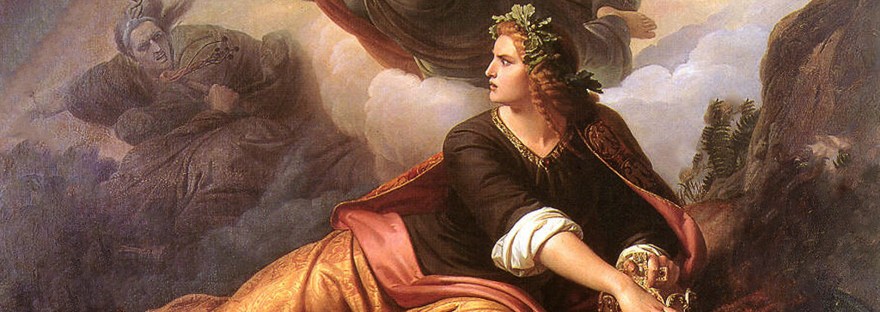
This painting of "Erwachende Germania" (Awakening of Germania) symbolized efforts of the mid-19th century to unite German states into a second empire. In this 1849 painting by Christian Köhler, he depicts an allegorical "Germania" as a female warrior, awakened from her slumber by the approach of an evil power. She protects the old German Imperial… Continue reading This 1849 painting of an allegorical “Germania” symbolized a general yearning for a new German Empire

History Highlights, Notes on German Culture, Old Germany...lost territory, Prussia...Northern Germany

Why so many people consider themselves German, even though their ancestors lived in other countries, sometimes for hundreds of years.

This Map of German Language Areas was produced after a 1910 census. It shows German-speaking areas outside of the Reich borders, giving a good picture of where Germans in previous centuries created settlements, either by self-motivation or in many cases by invitation of foreign rulers who valued their skills and industriousness.   This is an… Continue reading Why so many people consider themselves German, even though their ancestors lived in other countries, sometimes for hundreds of years.

First Reich...800 to 1806, History Highlights

The First Reich, or first German Empire, lasted 1000 years, succeeded by the Second Reich in 1871

The First German Empire lasted 1000 years. It was established in 800 AD, was reconfirmed in 962 AD and dissolved in 1806. Officially it was known as the Holy Roman Empire. Karl der Grosse Charlemagne, King of the Germanic Franks and first Holy Roman Emperor, crowned in 800AD...as painted by Albrecht Dürer . After the death… Continue reading The First Reich, or first German Empire, lasted 1000 years, succeeded by the Second Reich in 1871

Famous Artists, History Highlights, Old Germany...lost territory, Prussia...Northern Germany, Teutonic Knights..Deutscher Orden

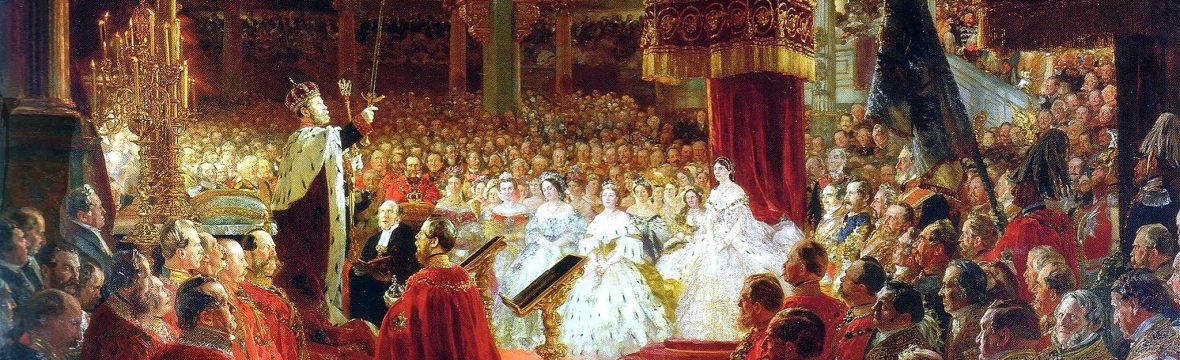
Pomp and ceremony in the 600 year old Königsberg Castle

This finely detailed painting depicts the 1861 Coronation of King Wilhelm I of Prussia in the medieval Königsberg Castle. This painting by Adolph Menzel is a beautiful image of pomp and ceremony in the Kingdom of Prussia and a rare look inside the medieval castle that was once headquarters of the Teutonic Knights. Only a… Continue reading Pomp and ceremony in the 600 year old Königsberg Castle

Notes on German Culture, Prussia...Northern Germany, Second Reich...1871 to 1918

A cavalry of trumpeters led the royal carriage thru Berlin where a 72 gun salute started the dual wedding ceremony

In February 1906, the Silver Wedding Anniversary of the German Emperor and Empress was turned into a double wedding celebration when they gave their second son, Prince Eitel, permission to be married on the same day. Kaiser Wilhelm and family in 1906, by Ferdinand Keller Their son’s bride, the Duchess Sophie-Charlotte, was the daughter of… Continue reading A cavalry of trumpeters led the royal carriage thru Berlin where a 72 gun salute started the dual wedding ceremony

History Highlights, Notes on German Culture

Rome’s attempts to subjugate Magna Germania were permanently halted after the Battle of Teutoburg Forest in 9 AD

This ancient Roman manufactured brass head represents a Teutonic warrior from the era 10 B.C...it was found by archeologists in Germany, along with a silver Roman cavalry face mask. Both items are believed to be from the Teutoburg Forest battle field in Germania Magna. In the background, a Roman Legion SPQR standard, representing the three… Continue reading Rome’s attempts to subjugate Magna Germania were permanently halted after the Battle of Teutoburg Forest in 9 AD

History Highlights, Old Germany...lost territory, Prussia...Northern Germany, Teutonic Knights..Deutscher Orden

There were successful Crusades conducted in northern Europe for hundreds of years

Prussia circa 1250, Teutonic Knights Charge during winter, their favorite season in the Northern Crusades. Much of German history is not well known ...for example, there were successful Crusades conducted in northern Europe for hundreds of years and the largest castle ever built in Europe was a German crusader castle, the Marienburg. There once existed… Continue reading There were successful Crusades conducted in northern Europe for hundreds of years

Notes on German Culture

There are between 50 and 250 German dialects

There are many German dialects, as can be seen on this map, and these dialects can be a problem even to native German speakers. It is estimated that there are between 50 and 250 German dialects, so if you peak standard German, you might find yourself lost when the locals talk among themselves. It is… Continue reading There are between 50 and 250 German dialects

History Highlights, Second Reich...1871 to 1918, WWI...First World War

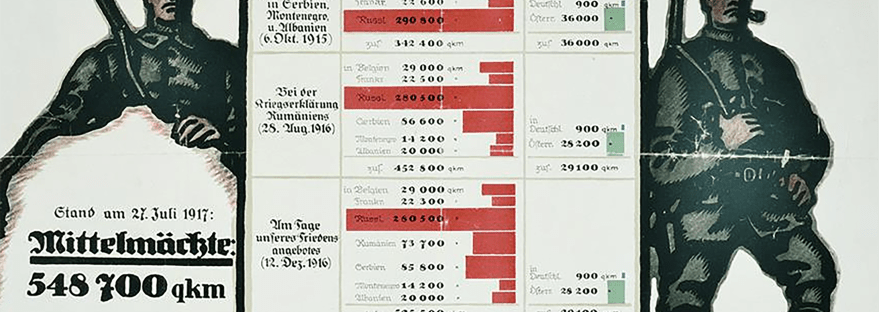
In July 1917…after 3 years at war… Germany was winning

In July 1917...after 3 years at war... Germany was winning the war. On the Western Front, German territorial gains were being held and the French and British home fronts were weakening. The French also had to deal with a demoralized army with large numbers of soldiers going so far as to mutiny. The possibility of… Continue reading In July 1917…after 3 years at war… Germany was winning

Famous Artists, History Highlights, Prussia...Northern Germany, Second Reich...1871 to 1918

Departure of King Wilhelm I. of Prussia to join the Army on July 13, 1870

An excerpt from "Departure of King Wilhelm I. of Prussia to join the Army on July 13, 1870" at the outbreak of the Franco-Prussian War, by Adolph von Menzel. The King would return to Berlin 11 months later, in June 1871, not only victorious but also as the new Kaiser of the German Empire, already… Continue reading Departure of King Wilhelm I. of Prussia to join the Army on July 13, 1870